Mario Pani
Mario Pani approached modernism at the scale of the city. Through housing complexes, masterplans and major institutional projects, he used architecture as a tool for reorganizing urban life around density, shared services, open space and new forms of collective living.
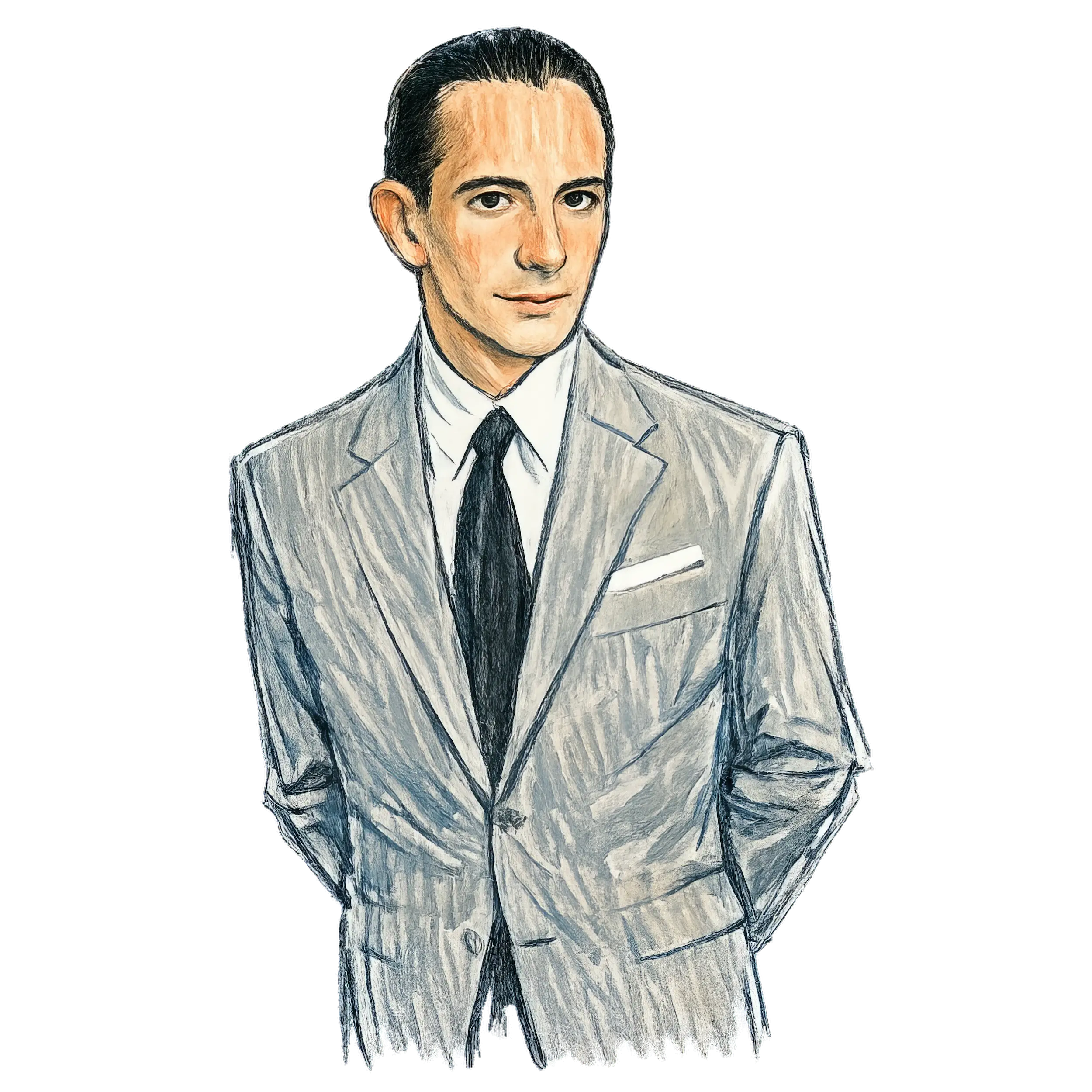
Buildings
- Torre de RectoríaMexico City
- Club de Golf MéxicoMexico City
- Centro Urbano Presidente AlemánMexico City
- Centro Urbano Presidente JuárezMexico City
- Conservatorio Nacional de MúsicaMexico City
- Conjunto Urbano Nonoalco-TlatelolcoMexico City
- Plaza de las Tres CulturasMexico City
- Torre InsigniaMexico City
- Edificio ChihuahuaMexico City
Facts
He trained in Paris in the milieu Le Corbusier had already defined
Pani studied architecture in Paris in the late 1920s, at a moment when Le Corbusier's ideas — towers set in open, landscaped ground, strict separation of pedestrian and vehicle circulation, housing conceived at the scale of a whole superblock — were already the dominant reference for a new generation of architects.
Centro Urbano Presidente Alemán and Nonoalco-Tlatelolco carry that inheritance directly: slab and tower blocks lifted above continuous green space, with services, schools, and circulation planned as part of a single system rather than left to individual buildings. Pani did not simply copy the model — he scaled it to Mexico City's housing shortage, density, and state-led construction programs — but the underlying urban logic traces back to that Paris training.